Ricky Chilcott on Scaling Smart: Why Real Customer Conversations Are the Future of DTC
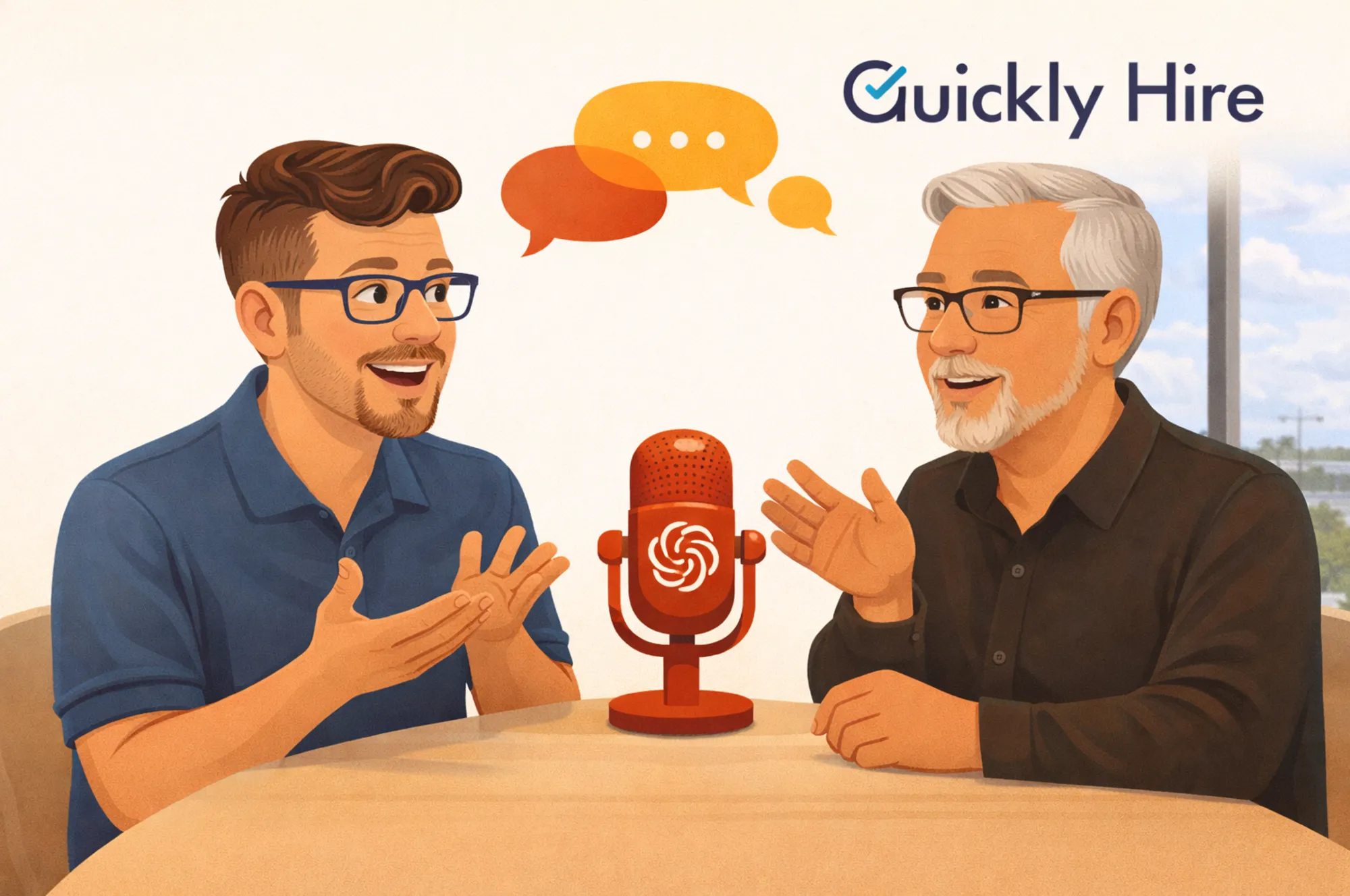
Our founder Ricky Chilcott recently sat down with Brad Morrison on the Scaling Smart podcast — the Quickly Hire show about how founders build teams and scale businesses. The conversation covered everything from the origin of Stoked to the Outer furniture neighborhood showroom story, building with fractional talent, and the kind of founder advice you don’t hear enough: don’t design a job you hate.
Here’s a recap of the key moments — with timestamps so you can jump straight to what interests you.
What Stoked Does and Why It Matters (0:42)
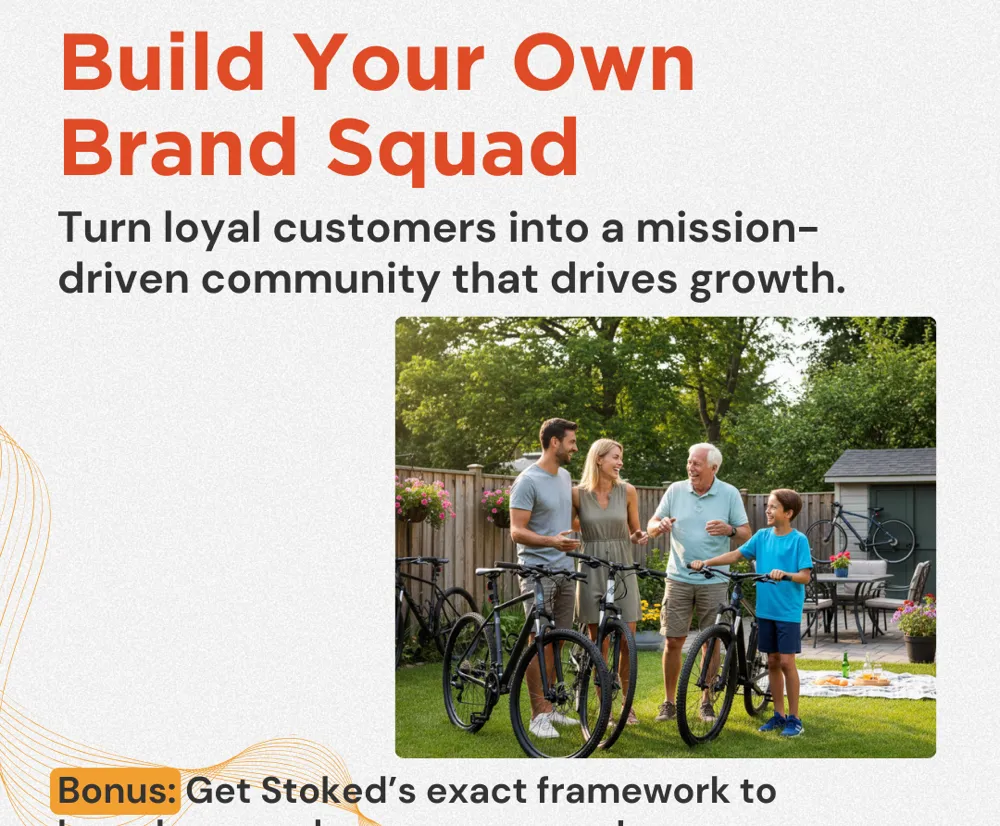
Right out of the gate, Ricky laid out the problem Stoked solves. Premium DTC brands — the ones asking customers to spend $5,000, $6,000, $7,000 — face a trust gap that reviews and testimonials alone can’t close. Sure, you can see happy families in an ad. But will the cargo bike fit your family? Will it handle your hills?
Stoked connects prospective buyers with real product owners via SMS. They can text back and forth, ask the specific questions that matter to them, and if they’re close enough geographically, meet up for a test ride or a demo. It’s not a chatbot. It’s not a review widget. It’s a real conversation with a real person who already owns the thing.
Ricky used Bunch Bikes — Stoked’s first customer and a premium cargo bike brand — as the anchor example. When you’re selling a lifestyle change, not just a product, that peer-to-peer connection is what moves someone from “maybe” to “I’m in.”
The Outer Furniture Origin Story (5:05)
One of the best moments in the episode: the Outer neighborhood showroom story. Outer makes high-end outdoor furniture, and they launched a program where real customers would let prospective buyers visit their backyards to see the furniture in action.
Here’s the kicker — they now have over 1,000 neighborhood showrooms and give zero incentive to participate. They don’t even promote the program anymore. People just sign up because they love the product and want to share it.
Ricky’s takeaway: for the right products, advocacy isn’t something you have to buy. People want to connect. It’s social. It’s community. It’s extroverted people saying, “Yeah, come see my setup.”
And the cherry on top? Two people met through a neighborhood showroom visit and ended up getting married. Results not guaranteed, as Ricky joked — but the story perfectly captures what makes peer-to-peer advocacy special. It’s human in a way that a star rating never will be.
Why Advocates Participate — Community Over Cash (5:05–7:13)
Brad asked the natural question: what’s in it for the advocates? Is there a revenue share?
Ricky acknowledged that brands handle incentives differently — some use points, some offer cash on a sale. But the deeper insight is that money isn’t the main motivator. The people who sign up to be advocates are the ones who genuinely love their product and want to talk about it. It’s not going to replace a paycheck. But for social, community-minded customers, being an advocate is something they enjoy doing.
This is a crucial distinction from traditional affiliate and influencer programs, and it’s one Ricky came back to throughout the conversation. Stoked plays in the middle and bottom of the funnel — not the top-of-funnel awareness game that influencers own, but the high-intent decision stage where a prospect is choosing between Brand X, Brand Y, and Brand Z. That’s where a real conversation tips the scale.
Building With a Small Team and Fractional Talent (12:25)
The conversation shifted to how Stoked operates day-to-day. Ricky is the full-time founder, with a part-time technical co-founder, a recently departed EA he’s replacing, and a fractional marketing person helping with branding.
What was refreshing here was Ricky’s honesty about the tradeoffs. When he’s heads-down building features for a week or two, sales and marketing grind to a halt. When he’s doing outreach and demos, development slows. He described himself as “the classic founder Jack of all trades, and a master of some.”
He also shared Stoked’s longer-term vision: offering fractional community management as part of the platform. Because the tech is only half the equation — brands also need someone to design the program, celebrate advocates, send reminders, and keep the engine running. That’s typically five to ten hours a week of work per brand, which is a natural fit for fractional talent.
Founder Advice: Don’t Design a Job You Hate (23:43)
When Brad asked for advice for aspiring founders, Ricky shared two pieces that clearly came from lived experience rather than a motivational poster.
First: don’t design a role that you hate doing. He reflected on his previous business, Mission Met, where he ended up filling every gap that no one else wanted to handle. That’s necessary in the early days — but if you’re not careful, you build a job that drains you instead of energizing you. His advice: pay attention to your switching costs, lean into what you’re good at and enjoy, and bring in fractional or full-time people for the rest.
Second: get outside. Business is hard. The “overnight success that took 15 years” cliché exists for a reason. Ricky talked about getting into mountain biking and bikepacking over the past few years — not just for exercise, but for community and perspective. Hard things outside the business help you handle hard things inside it.
The Athens, Ohio Entrepreneurial Community (25:34)
The episode wrapped with a love letter to Athens, Ohio — Ricky’s home base since 2004. A college town with 20,000+ students at Ohio University, Athens has hills (not the flat farmland outsiders assume), a walkable downtown, world-class mountain biking trails expanding to 88 miles, and a surprisingly strong entrepreneurial ecosystem.
Ricky highlighted the Innovation Center attached to the university, Tech Growth Ohio (a public-private venture capital group), and a new co-working space called Blue.Coworking opening on Court Street — founded by serial entrepreneur Ben Lockman, with whom Ricky started an earlier co-working space about 12 years ago.
Oh, and the breweries. Jackie O’s and Little Fish ship internationally. Athens punches above its weight.
Watch the Full Episode
If you want to hear the full conversation — including the origin story of how Bunch Bikes found Stoked (hint: the universe sent a sign), Ricky’s thoughts on martech fragmentation, and Brad’s take on building product teams — watch or listen to the full episode here.
More From the Stoked Blog
- Switching To Stoked, Seeing Results: Bunch Bikes Case Study — The full story of how Bunch Bikes drove 40% of sales through advocates
- The Story Behind Stoked: Bringing Humanity Back to Buying — Our origin story and why we believe buying should feel human
- Why Real Conversations Beat Reviews for High-Ticket DTC — A deeper dive into the themes Ricky explored on the show